How to Layer for Winter: Thermals, Long-Sleeve Tees and Sweatshirts
Getting dressed for winter in the UK isn't always straightforward. A cold morning can turn into a mild afternoon, and a perfectly comfortable outfit outdoors may feel far too warm once you step inside.
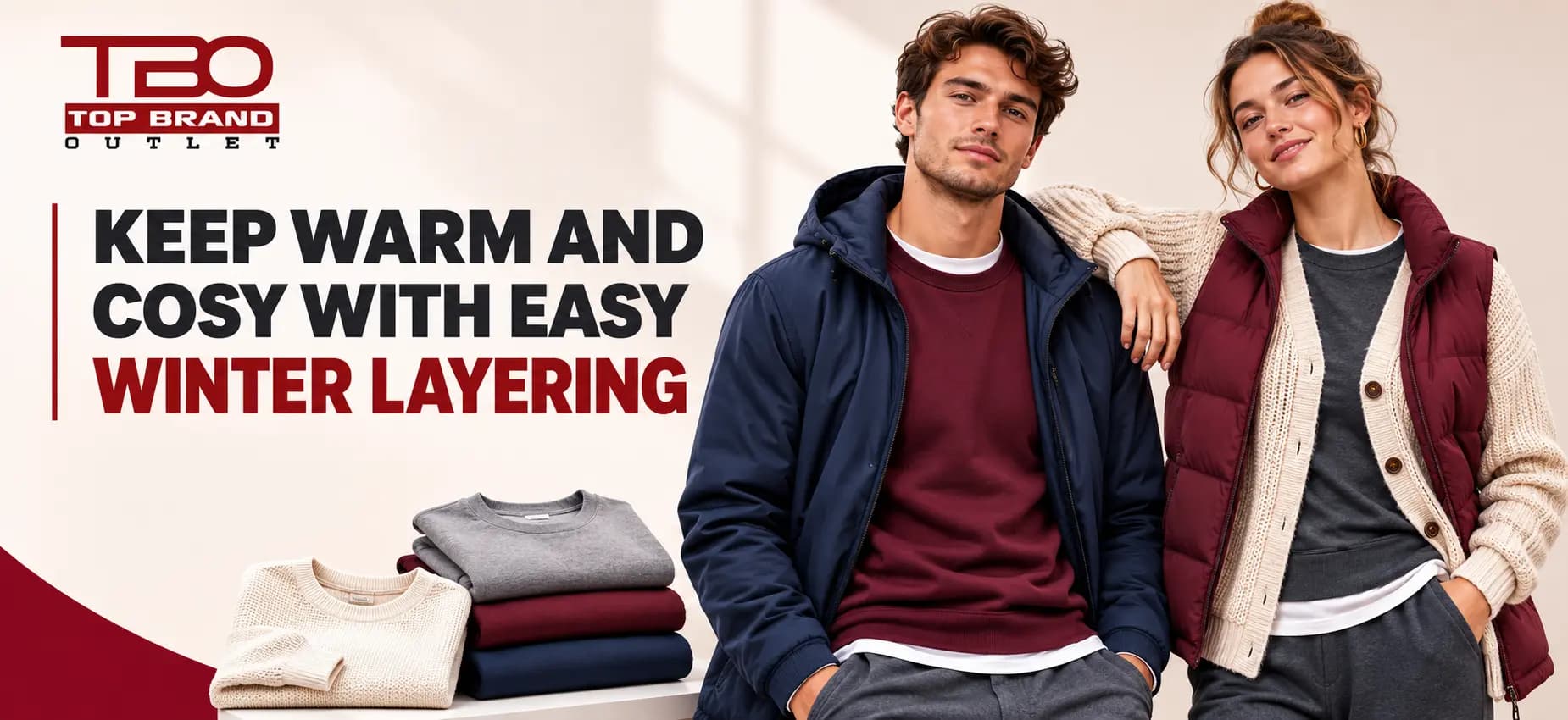
That's why knowing how to layer clothes for winter is useful. Instead of relying on one thick jumper or heavy coat, you can combine lighter pieces that are easier to adjust throughout the day.
Thermal tops, long-sleeve T-shirts and sweatshirts all have a place in a practical winter wardrobe. The trick is understanding what each one does and how to wear them together without feeling bulky.
Whether you're commuting, working, shopping or heading out for a weekend walk, this guide explains how to build comfortable winter outfits for everyday life in Britain.
What Is the Best Way to Layer Clothes for Winter?
The best way to layer clothes for winter is to start with a comfortable base layer, add an insulating middle layer and finish with an outer layer suited to the weather.
This three-layer approach makes it easier to manage warmth as temperatures and activities change.
The basic system works like this:
| Layer | Main purpose | Clothing examples |
|---|---|---|
| Base layer | Manages moisture and provides next-to-skin comfort | Thermal top, fitted long-sleeve base layer |
| Middle layer | Adds insulation and warmth | Sweatshirt, fleece, jumper |
| Outer layer | Protects against wind and rain | Winter coat, insulated jacket, waterproof shell |
You won't necessarily need all three layers every day.
On milder afternoons, a long-sleeve tee and sweatshirt may be enough. During colder or wetter weather, an additional protective jacket becomes more important.
The aim is to stay comfortable without overheating.
Layer 1: Start with a Thermal Top or Base Layer
The first layer sits closest to your skin, so its fit and fabric can make a noticeable difference.
A good winter base layer should feel comfortable, allow easy movement and help you manage moisture.
Why Wear Thermal Tops in Winter?
Thermal tops are designed to provide warmth without requiring the bulk of a heavy jumper.
They're useful beneath sweatshirts, knitwear and jackets, especially during colder mornings or when spending extended periods outside.
When choosing a thermal top, consider:
- Fit: Close enough to sit comfortably beneath other clothing without restricting movement.
- Fabric: Suitable for the amount of activity you expect.
- Sleeves: Long sleeves provide additional arm coverage.
- Thickness: Lightweight thermals are easier to combine with fitted clothing.
- Comfort: Seams and necklines shouldn't cause irritation.
For everyday winter layering, explore men's thermal tops at Top Brand Outlet. Compare the available styles, fabrics and fits to find a comfortable base layer for colder days.
Thermal Tops vs Ordinary Cotton T-Shirts
Can you use a regular cotton T-shirt as a winter base layer?
For low-activity everyday situations, cotton T-shirts can be comfortable beneath a jumper or sweatshirt.
However, cotton absorbs moisture and dries relatively slowly. If you're walking quickly, exercising or spending long periods outdoors, damp cotton can leave you feeling cold.
For active outdoor conditions, moisture-wicking synthetic or merino wool base layers are generally more suitable.
The best choice depends on whether you're dressing for a normal day around town or a more demanding outdoor activity.
Layer 2: Add a Long-Sleeve T-Shirt
Long-sleeve T-shirts are useful because they provide additional coverage without the weight of traditional winter knitwear.
They can be worn over a lightweight vest, beneath a sweatshirt or on their own during milder weather.
How to Style Long-Sleeve Tees in Winter
For a simple everyday outfit, try a neutral long-sleeve tee with jeans and trainers.
When it gets colder, add a sweatshirt or casual jacket.
A plain white, black or navy tee is particularly versatile because it works beneath different colours and styles.
TBO also lists Jack & Jones long-sleeve T-shirts, providing an example of a cotton everyday layer.
The important distinction is that an ordinary long-sleeve tee isn't necessarily a technical thermal base layer.
Should a Long-Sleeve T-Shirt Be Tight or Loose?
For layering, the best fit is usually one that follows your body comfortably without excessive fabric gathering beneath other garments.
Slim and regular cuts can both work.
If you prefer a relaxed outer sweatshirt, a regular-fit tee underneath may feel comfortable. For closer-fitting jumpers, a lighter and less bulky T-shirt may be easier to wear.
Check sleeve length, shoulder placement and the overall garment length before buying.
Layer 3: Choose a Sweatshirt or Jumper for Warmth
The middle layer provides much of the insulation in a winter outfit.
It helps retain warmth while remaining easy to remove when temperatures rise.
Sweatshirts, fleece tops and knitted jumpers can all serve this purpose.
Gant Sweatshirts for Smart-Casual Winter Outfits
A simple crew-neck sweatshirt is one of the easiest items to build an everyday outfit around.
Gant sweatshirts offer a classic casual appearance that can work with jeans, chinos or relaxed trousers.
For a smart-casual winter look, try a neutral sweatshirt over a lightweight T-shirt, paired with dark jeans and clean trainers.
A collared shirt can also work beneath a crew-neck sweatshirt, particularly when you're dressing for an informal workplace or a meal out.
TBO's men's Gant collection includes sweatshirts and Oxford shirts that can work together in layered outfits.
Ellesse Sweatshirts for Casual Winter Wear
For a sportier appearance, sweatshirts from Ellesse offer another everyday layering option.
Crew-neck designs pair naturally with joggers, jeans and trainers, making them suitable for relaxed weekends.
TBO has listed Ellesse crew-neck sweatshirts in a cotton-polyester blend, with ribbed cuffs and hems.
When choosing a sweatshirt, look beyond the brand name. Consider the fabric weight, neckline, fit and whether there's enough room for your base layer.
A sweatshirt can be comfortable and warm, but it shouldn't be assumed to provide the same insulation as specialist outdoor clothing.
Layer 4: Finish with the Right Winter Jacket
Although the classic layering system has three functional layers, you may wear several actual garments.
For example, you could combine a thermal top, a long-sleeve shirt, a sweatshirt and a coat.
The outer layer is especially important during Britain's wet and windy winter weather.
Choose your jacket according to the conditions.
For cold, dry days: An insulated jacket may provide the warmth you need.
For wet weather: A suitable waterproof outer layer helps protect the clothing underneath.
For windy conditions: Wind-resistant outerwear can make a considerable difference to comfort.
Make sure your coat fits over your chosen layers without restricting your shoulders or arms.
A thick sweatshirt underneath a tightly fitted jacket may feel uncomfortable, even when both garments fit properly on their own.
How to Layer for Different UK Winter Occasions
Not every winter outfit needs the same combination of clothing.
Your daily activities should influence how many layers you wear.
Everyday Commuting
For a cold morning commute, start with a lightweight base layer and add a comfortable sweatshirt.
Finish with a jacket appropriate for the weather.
If you're travelling by train or bus, choose layers that are easy to remove when the temperature rises indoors.
Smart-Casual Winter Outfits
For a smarter appearance, try an Oxford shirt beneath a crew-neck jumper or sweatshirt.
This combination creates a neat, understated look without requiring formal tailoring.
Gant Oxford shirts are particularly easy to coordinate with plain sweatshirts, chinos and dark denim.
Choose a shirt that sits comfortably beneath the middle layer, and avoid excessive fabric bunching around the waist.
Weekend Walks and Outdoor Activities
For longer walks, moisture management becomes more important.
A proper thermal base layer, insulating fleece and weather-resistant jacket provide a flexible combination.
Avoid wearing too many heavy garments at the start of a brisk walk, as overheating and sweating can make you uncomfortable later.
For more demanding outdoor activities, specialist clothing is generally preferable to ordinary fashion sweatshirts.
Relaxed Weekends
For shopping, visiting friends or spending time indoors and outdoors, you may only need a long-sleeve T-shirt, sweatshirt and casual jacket.
This combination is easy to adjust and works well with jeans, joggers or chinos.
Which Fabrics Work Best for Winter Layering?
Fabric choice matters because different materials manage warmth, moisture and comfort differently.
Cotton: Comfortable for casual everyday outfits, but can retain moisture during strenuous activities.
Polyester and technical synthetics: Depending on construction, these can offer quick-drying and moisture-wicking properties.
Merino wool: Popular for technical base layers because it can help manage moisture and provide insulation.
Fleece: Commonly used for insulating middle layers because it is relatively lightweight and traps air effectively.
Cotton-polyester blends: Often used in everyday sweatshirts, combining the characteristics of both fibres.
No single material is ideal for every situation.
Think about how active you'll be, whether you expect rain and how long you'll spend outdoors.
Common Winter Layering Mistakes to Avoid
Adding more clothes doesn't always make an outfit more comfortable.
Here are some mistakes worth avoiding:
- Wearing too many thick layers: Excessive bulk can restrict movement and lead to overheating.
- Ignoring fabric choice: Damp clothing can make you feel colder, especially outdoors.
- Choosing restrictive sizes: Each garment needs enough room to work comfortably with the others.
- Forgetting wind and rain protection: A sweatshirt alone may not be suitable for wet winter weather.
- Keeping every layer on indoors: Remove layers when necessary to avoid becoming too warm.
- Buying without checking measurements: Sleeve length, shoulder fit and garment thickness all affect how layers sit together.
The most effective approach is usually to wear only what you need and adjust throughout the day.
How to Build a Practical Winter Wardrobe Without Overspending
You don't need an entirely new wardrobe to dress comfortably through winter.
Start with versatile pieces you can combine in different ways.
A lightweight thermal top, two long-sleeve T-shirts, a comfortable sweatshirt and a suitable winter jacket can provide the foundation for several outfits.
Neutral colours such as black, navy, grey and white are easy to coordinate.
When shopping for branded clothing, consider whether a particular item works with pieces you already own.
At Top Brand Outlet, shoppers can explore authentic branded clothing at outlet prices, including casual tops, sweatshirts and seasonal wardrobe essentials.
Product availability varies, so check the available sizes, fabric composition and individual descriptions before purchasing.
Frequently Asked Questions About Winter Layering
What Is the Correct Order for Winter Layers?
Start with a base layer next to your skin, add an insulating middle layer and finish with weather-appropriate outerwear. The exact number of garments depends on the temperature and your activity.
Can You Wear a Long-Sleeve T-Shirt Instead of a Thermal Top?
Yes, for mild weather or low-activity everyday wear. However, ordinary cotton long-sleeve T-shirts may not manage moisture as effectively as specialist thermal base layers during strenuous outdoor activities.
Should a Sweatshirt Go Over a Thermal Top?
Yes. A sweatshirt can provide an insulating layer over a thermal top. Make sure both garments fit comfortably and don't restrict movement.
Are Sweatshirts Warm Enough for UK Winter?
A sweatshirt may be comfortable during mild weather or indoors, but colder, windy or wet conditions generally require additional protective outerwear.
Is It Better to Wear Several Thin Layers or One Thick Jumper?
Several appropriately chosen layers usually provide greater flexibility because you can add or remove garments as conditions change.
Final Thoughts: Layering for a Comfortable UK Winter
Learning how to layer for winter doesn't mean wearing as many clothes as possible.
It's about choosing garments that work together.
Start with a suitable base layer, add a comfortable long-sleeve tee or sweatshirt, and finish with outerwear that matches the weather.
Pay attention to fabric, fit and how active you'll be throughout the day.
With a few versatile essentials, you can build winter outfits that feel comfortable, look good and adapt to Britain's changing temperatures.

Written by
M RabbaniFounder & Fashion eCommerce Specialist
M Rabbani is the Founder of Top Brand Outlet and a Fashion eCommerce Specialist with a passion for helping customers shop smarter
View all articles →Related articles

Lacoste Size Guide UK: What Size Is a Lacoste 4, 5 or 6?
Buying a Lacoste polo shirt online can be confusing when the label shows size 4, 5 or 6 instead of the familiar S, M, L or XL. Different retailers sometimes explain these numbers differently, making it difficult to choose the right fit.

Comments
Loading comments…